You are squeezed into a crowded compartment on the Central Line train heading toward Ghatkopar station, breathing in the damp, heavy air of a Mumbai monsoon. Your shoulders are tense, your jaw is clenched from navigating the bumper-to-bumper chaos of LBS Marg, and your mind is running through a never-ending checklist of family obligations and work deadlines. In a high-density city like ours, your nervous system spent the entire day in a state of high alert. It is entirely natural to look for ways to quiet the noise. But when you hear about Reiki as a potential solution, you might find yourself asking a fundamental question: does Reiki actually work, or is it just an expensive placebo?
The internet is full of extreme claims. On one side, wellness influencers promise that energy healing can cure chronic physical illnesses and reverse severe mental health struggles. On the other side, staunch cynics dismiss the entire practice as absolute nonsense. To find the truth, we have to look past the marketing and examine what the actual clinical research shows. By understanding where the evidence is weak, where the physiology is real, and how to read a study, you can make an informed decision about your own wellness journey.
How Clinical Research Evaluates Reiki
To evaluate whether any therapeutic practice works, medical science relies on the Randomized Controlled Trial (RCT). In a standard drug trial, researchers compare the active medicine against an inactive sugar pill (a placebo). To prevent bias, neither the patients nor the doctors know who received the real treatment. This is known as a double-blind study.
For complementary therapies that involve human touch or presence, such as those discussed on our Reiki healing overview, designing a double-blind study is incredibly difficult. A practitioner knows whether they are actively practicing Reiki or not, which eliminates the possibility of a true double-blind setup. To work around this, high-quality studies use a control group receiving "sham Reiki." In these trials, an actor with no training in energy practices mimics the exact hand placements and quiet presence of a trained practitioner. This allows researchers to isolate whether the outcomes are driven by the specific healing protocol or simply by the comforting environment of a quiet room and focused human attention.
Where the Scientific Evidence is Weak
Let us be completely honest about the limitations of the existing literature. If you look at the broad collection of clinical trials on Reiki, a significant portion of the research is methodologically weak. Many studies suffer from incredibly small sample sizes, sometimes involving fewer than thirty participants. In statistics, small sample sizes mean that minor individual variations can skew the final data, making the results unreliable.
Furthermore, there is zero robust scientific evidence that Reiki can treat, manage, or cure major clinical illnesses. It cannot shrink physical tumors, reverse autoimmune diseases, or cure clinical disorders such as major depression, bipolar disorder, schizophrenia, or severe anxiety disorders. If you or a family member are dealing with a diagnosed mental health condition, it is essential to seek the care of a qualified clinical psychologist or psychiatrist. We strongly urge you to review our medical disclaimer regarding the boundaries of our work. Complementary practices are designed to support comfort and relaxation; they are never a substitute for standard, evidence-based psychiatric or medical treatment.
Where the Evidence is Real: The Physiology of Deep Rest
Despite the methodological flaws in some studies, high-quality clinical trials do show a consistent, positive trend in specific areas: the reduction of subjective pain, the lowering of situational anxiety, and the regulation of the autonomic nervous system.
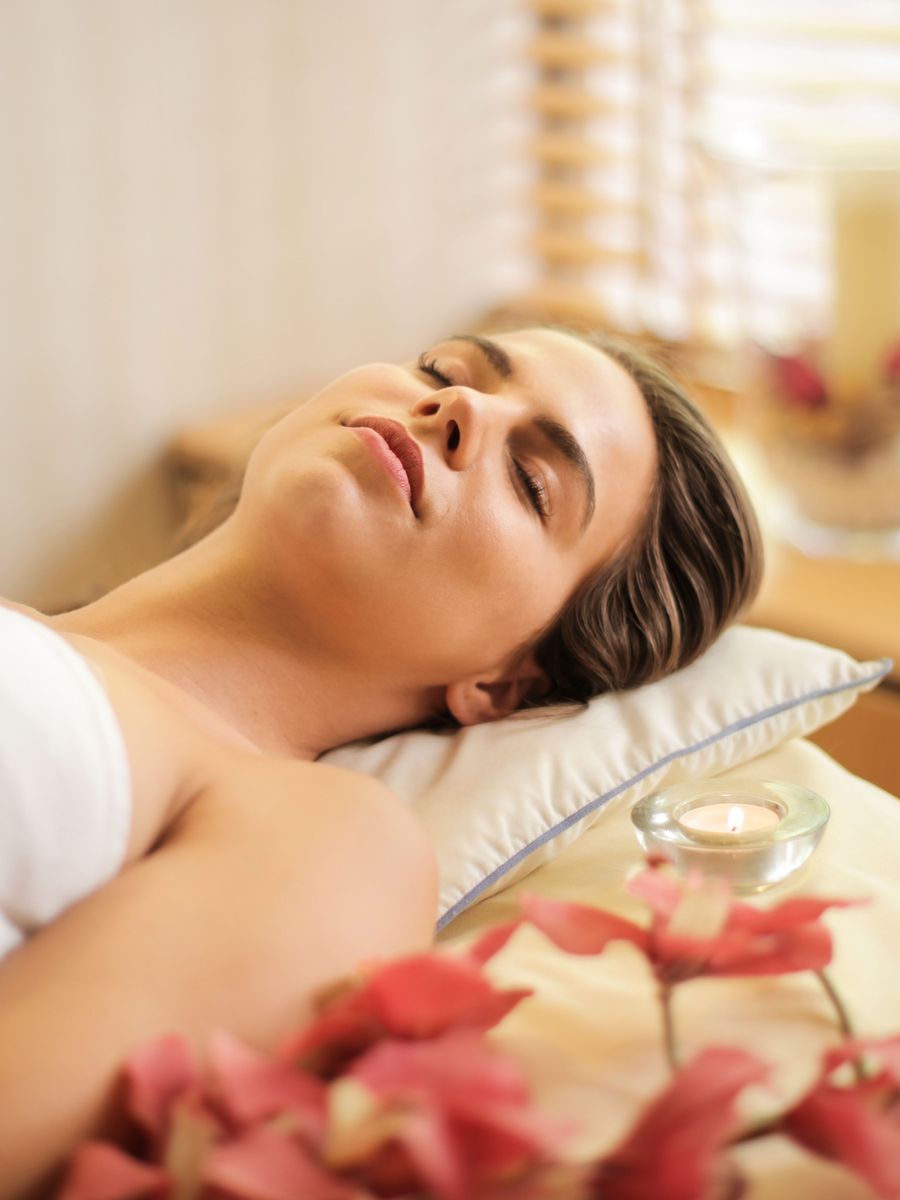
When researchers monitor objective biological markers during a session, they observe measurable changes in the recipient's body. These include a decrease in heart rate, a drop in systolic blood pressure, an increase in heart rate variability (HRV), and a reduction in salivary cortisol levels. In plain physiological terms, these changes indicate that the body is transitioning out of a sympathetic state (fight-or-flight) and entering a parasympathetic state (rest-and-digest).
This transition is a real, documented physical response. When you are lying down in a quiet, safe space, receiving gentle, non-invasive touch or focused attention, your brain signals your endocrine system to reduce the production of stress hormones. For someone living in a bustling, high-pressure city like Mumbai, where quiet personal space is hard to find in a typical multi-generational family home, this deep somatic pause is highly beneficial. It allows the nervous system to reset, which can significantly lower your perception of chronic physical pain and ease the everyday mental fatigue caused by constant sensory overload.
How to Read a Reiki Study for Yourself
If you want to look at the research objectively, you can use a few simple guidelines to evaluate any study you find online:
- Look at the control group: Did the researchers compare Reiki to a "sham" treatment, or did they compare it to nothing at all? A study that compares Reiki to simply lying down on a table will naturally show positive results, but a study comparing it to sham treatments helps determine if the specific protocol has distinct benefits.
- Check the sample size: Was the study conducted on fifteen people or two hundred? Larger sample sizes offer much more dependable data.
- Differentiate between statistical and clinical significance: A study might show a "statistically significant" drop in anxiety scores, but if that drop is only a fraction of a point on a scale, it may not translate to a noticeable difference in your daily life.
- Identify the source: Look for studies published in reputable, peer-reviewed medical and nursing journals rather than self-published blogs or advocacy websites.
The Role of Placebo in Healing
Skeptics often point to positive Reiki trials and say, "That is just the placebo effect." In modern science, however, the placebo effect is no longer dismissed as mere imagination. It is recognized as a complex psychological and biological response where the expectation of care triggers the brain to release endorphins and downregulate stress chemicals.
If the structured ritual of a session helps your body enter a state of deep relaxation, that relaxation has genuine health benefits. Whether those benefits are caused by the traditional concept of subtle energy fields or by the somatic comfort of a dedicated wellness space, the positive impact on your physical well-being is very real. It offers a valuable, non-invasive way to manage daily stress alongside your regular healthcare routine.
A Grounded Approach to Wellness in Mumbai
At Auviephy Institute, we do not believe in making exaggerated claims or promising miracle cures. We view complementary practices as a sensible way to cultivate peace, ease physical tension, and support your nervous system in an intense urban environment. Our centre is located at 707 Central by Crystal, Andheri-Ghatkopar Link Road, Gangawadi, Ghatkopar West, Mumbai 400086, and we are open Monday to Saturday from 10:00 to 19:00 IST. We have built a solid foundation in the wellness community, offering over 60 certified courses and 115 services, with more than 1,200 students trained and 5,000+ sessions completed.
If you are looking for a dedicated space to step away from the noise of the city, our sessions run between 45 to 90 minutes, with most starting from Rs 2,500. We provide these services both in-person at our Mumbai clinic and online for clients across India. For those who live or work in the western suburbs, you can learn more about our localized offerings on our Andheri Reiki services page. We invite you to approach these practices with a healthy dose of practical skepticism, utilizing them as a supportive tool to help your body rest, recover, and balance itself naturally.
Frequently Asked Questions
Does clinical research prove that Reiki can cure physical illnesses?
No, clinical research does not show that Reiki can cure any physical or mental illness. It is a complementary relaxation technique designed to support stress reduction and physiological rest, and it should never replace standard medical treatments prescribed by a healthcare professional.
What physical changes happen in the body during a Reiki session?
Studies tracking physiological markers indicate that Reiki can help transition the nervous system from a sympathetic (fight-or-flight) state to a parasympathetic (rest-and-digest) state. This transition is often marked by lower heart rates, reduced muscle tension, and a decrease in stress hormones like cortisol.
How do researchers control for the placebo effect in Reiki studies?
High-quality clinical trials use a method called "sham Reiki" as a control. In these studies, an untrained actor performs identical hand movements and placements without practicing the actual technique, helping researchers isolate whether the effects are due to simple touch and attention or a specific therapeutic protocol.
Can Reiki be used alongside traditional medical treatments?
Yes, Reiki is safely used as a complementary practice alongside standard medical care in several hospitals worldwide to help patients manage stress and pain perception. However, it should never be used as a standalone treatment or as a replacement for clinical therapies, medications, or surgeries.
Why are many scientific studies on Reiki considered weak by researchers?
Many studies on Reiki suffer from small participant sizes, a lack of rigorous control groups, and inconsistent protocols, which makes it difficult to draw broad, definitive scientific conclusions. Reliable research requires larger sample sizes and standardized blinding methods to separate specific therapeutic effects from general relaxation.
A note on what we do and don't do. Auviephy Institute offers complementary holistic therapies — energy healing, breathwork, NLP-based coaching and mindfulness training. These are supportive practices. They are not a treatment for clinical depression, bipolar disorder, psychosis, or any psychiatric condition, and they are not a substitute for assessment or treatment by a qualified psychiatrist or clinical psychologist. If you are on psychiatric medication, do not stop or change it on the advice of any healer. We work alongside your clinical team, never instead of it. Read our full medical disclaimer.

About the Author
Dr. Purva Shahade
Founder & Director · Auviephy Institute, Ghatkopar West
Dr. Purva Shahade holds a BPTh (Bachelor of Physiotherapy) and is a certified Reiki Master Teacher, NLP Master Practitioner and Angel Healing Master Teacher. She has trained 1,200+ students and delivered 5,000+ sessions over more than a decade in Mumbai.