Reiki is one of the most widely practised energy healing modalities in the world, yet it remains deeply misunderstood. This comprehensive guide draws on over a decade of clinical practice, the training of 1200+ students, and thousands of healing sessions conducted at Auviephy Institute in Ghatkopar West, Mumbai. Whether you are exploring Reiki for the first time or deepening an existing practice, this resource covers everything you need to know — from the foundational principles to certification pathways, session expectations, and how Reiki compares to other healing systems.
What Is Reiki Healing?
Reiki is a Japanese energy healing technique in which a trained practitioner channels universal life-force energy through their hands to restore physical, emotional, mental, and spiritual balance in the recipient.
The word "Reiki" is composed of two Japanese kanji: Rei (meaning universal, spiritual, or sacred) and Ki (meaning life-force energy — the same concept as Qi in Chinese medicine or Prana in the Vedic tradition). Reiki was developed by Mikao Usui in Japan in 1922 after a period of deep meditation and spiritual practice on Mount Kurama. Usui created a structured system for transferring healing energy from practitioner to recipient through a process called attunement — a sacred initiation that opens the practitioner's energy channels to serve as a conduit for universal Ki.
Unlike massage, physiotherapy, or acupressure, Reiki does not involve physical manipulation of muscles, bones, or tissue. It works entirely on the subtle energy body — the chakras, meridians, and auric layers that form the energetic architecture of every human being. Reiki is non-invasive, non-diagnostic, and is recognised by the World Health Organisation as a complementary therapy. It is used in over 800 hospitals in the United States alone, including the Cleveland Clinic, Memorial Sloan Kettering, and Johns Hopkins, as a supportive modality alongside conventional medical treatment.
How Does Reiki Healing Work?
At its core, Reiki operates on a simple principle: when Ki flows freely through the body, a person experiences health, vitality, and emotional equilibrium. When Ki becomes blocked, stagnant, or depleted — due to stress, trauma, illness, negative thought patterns, or environmental factors — the result is disease, emotional disturbance, mental fog, or spiritual disconnection.
During a Reiki session, the practitioner acts as a channel (not a source) of universal life-force energy. The practitioner does not use their own energy; they draw from the infinite reservoir of universal Ki and direct it through their palms into the recipient's energy field. This is why experienced Reiki practitioners do not feel drained after sessions — in fact, they often feel more energised, because the energy flows through them before reaching the client.
The Hand Position System
Traditional Usui Reiki follows a systematic sequence of 12 to 15 hand positions that correspond to the major chakras and vital organs. The practitioner begins at the crown of the head and moves downward through the third eye, throat, heart, solar plexus, sacral, and root chakras — spending 3 to 5 minutes at each position. Hands are placed lightly on the body or held a few centimetres above the surface, depending on the client's preference and the practitioner's intuitive guidance.
What Happens Energetically
As Reiki flows into the recipient's energy field, several processes occur simultaneously. Energetic blockages in the chakras and meridians begin to dissolve. The parasympathetic nervous system activates, shifting the body from a stress response (sympathetic dominance) into a deep rest-and-repair state. Cortisol levels drop. Heart rate variability improves. The body's innate healing intelligence is amplified — Reiki does not heal the person; it creates the optimal conditions for the body to heal itself.
Research published in the Journal of Evidence-Based Integrative Medicine (2017) found that Reiki significantly reduced pain, anxiety, and depression in clinical settings. A Harvard Medical School study demonstrated measurable changes in biomarkers of stress and inflammation following Reiki sessions. While the exact mechanism remains the subject of ongoing scientific inquiry, the clinical outcomes are consistently documented across peer-reviewed literature.
Benefits of Reiki Healing
The benefits of Reiki healing span the physical, emotional, mental, and spiritual dimensions of wellbeing. Based on clinical observation at Auviephy Institute and published research, the following benefits are consistently reported:
Physical Benefits
- Pain relief — Reiki reduces chronic pain, including back pain, migraines, arthritis, and fibromyalgia
- Improved sleep quality — clients report deeper, more restorative sleep within days of their first session
- Faster recovery — accelerates healing after surgery, injury, or illness
- Reduced inflammation — supports the body's anti-inflammatory response
- Strengthened immunity — regular sessions support immune system resilience
- Hormonal balance — helps regulate menstrual cycles, thyroid function, and adrenal health
Emotional Benefits
- Stress and anxiety reduction — activates the parasympathetic nervous system, producing deep calm
- Emotional release — gently surfaces and clears stored grief, anger, fear, and trauma
- Depression support — lifts mood and restores emotional equilibrium (complementary to clinical treatment)
- Grief processing — supports healthy grieving after loss of a loved one or relationship
- Relationship healing — clears emotional blocks that create patterns of conflict or withdrawal
Mental Benefits
- Mental clarity — reduces overthinking and mental chatter
- Improved focus and concentration — clears mental fog and sharpens cognitive function
- Better decision-making — access to intuitive intelligence beyond analytical mind
Spiritual Benefits
- Chakra balancing — aligns and harmonises the seven major energy centres
- Deepened self-awareness — increased connection to inner wisdom and purpose
- Enhanced intuition — many clients report heightened intuitive sensitivity after sessions
- Aura cleansing — clears and strengthens the energetic field surrounding the body
- Spiritual growth — supports meditation practice and connection to higher consciousness
Reiki Certification Levels
The Usui Reiki system is structured into four progressive levels, each deepening the practitioner's ability to channel and work with healing energy. Advancement through each level requires an attunement — a sacred energetic initiation performed by a certified Reiki Master — which permanently opens and calibrates the student's energy channels.
Reiki Level 1 — Shoden (The Awakening)
Level 1 is the foundation. Students receive their first attunement, learn the history and principles of Reiki, and master the basic hand positions for self-healing. The focus is entirely on self-practice: healing yourself before healing others. Students learn to feel and direct Ki, understand the chakra system at an introductory level, and establish a daily self-healing practice. After Level 1, students can perform Reiki on themselves, family members, and pets. Learn more about Reiki Level 1 at Auviephy →
Reiki Level 2 — Okuden (The Deepening)
Level 2 dramatically expands the practitioner's capability. Students receive a second attunement that intensifies their energy channel and are introduced to three sacred Reiki symbols: Cho Ku Rei (power symbol), Sei He Ki (emotional/mental healing symbol), and Hon Sha Ze Sho Nen (distance healing symbol). With Level 2, practitioners can send Reiki across physical distance and time, perform emotional and mental healing at deeper levels, and begin offering sessions to clients professionally. Learn more about Reiki Level 2 at Auviephy →
Reiki Level 3 — Shinpiden (The Mystery Teaching)
Level 3 is the advanced practitioner level. Students receive the Master attunement and learn the Dai Ko Myo (Master symbol), which represents the highest vibration of Reiki energy. This level deepens spiritual practice, enhances healing power significantly, and introduces advanced techniques for psychic surgery, karmic healing, and working with past-life energy patterns. Level 3 practitioners carry the title of Reiki Master Practitioner. Learn more about Reiki Level 3 at Auviephy →
Reiki Level 4 — Reiki Master Teacher (Gokukaiden)
The final level qualifies the practitioner to attune and teach others. Master Teachers learn the attunement process itself — the sacred ritual through which Reiki ability is transmitted from teacher to student. This level carries deep responsibility: the ability to open another person's energy channels permanently. Master Teachers also learn advanced healing protocols, business practices for running a Reiki practice, and the ethics of energetic work. Learn more about Reiki Master Teacher at Auviephy →
What to Expect in a Reiki Session
Whether you are visiting Auviephy Institute in Ghatkopar or booking a distance session online, every Reiki session follows a structured, professional protocol designed to maximise your healing experience. Here is what happens, step by step.
Step 1: Consultation and Intention Setting (10-15 minutes)
Your session begins with a private conversation. The practitioner asks about your current physical health, emotional state, any specific concerns, and your intention for the session. You might seek relief from chronic pain, emotional release from a difficult period, mental clarity for an important decision, or simply a deep reset. There is no wrong reason to seek Reiki. Everything discussed is strictly confidential.
Step 2: Energy Scan (5 minutes)
Before hands-on healing begins, the practitioner scans your aura and chakra system to identify areas of depletion, congestion, or energetic imbalance. This scan informs which areas need additional attention during the session and provides a baseline for tracking progress over multiple sessions.
Step 3: Reiki Channelling (45-60 minutes)
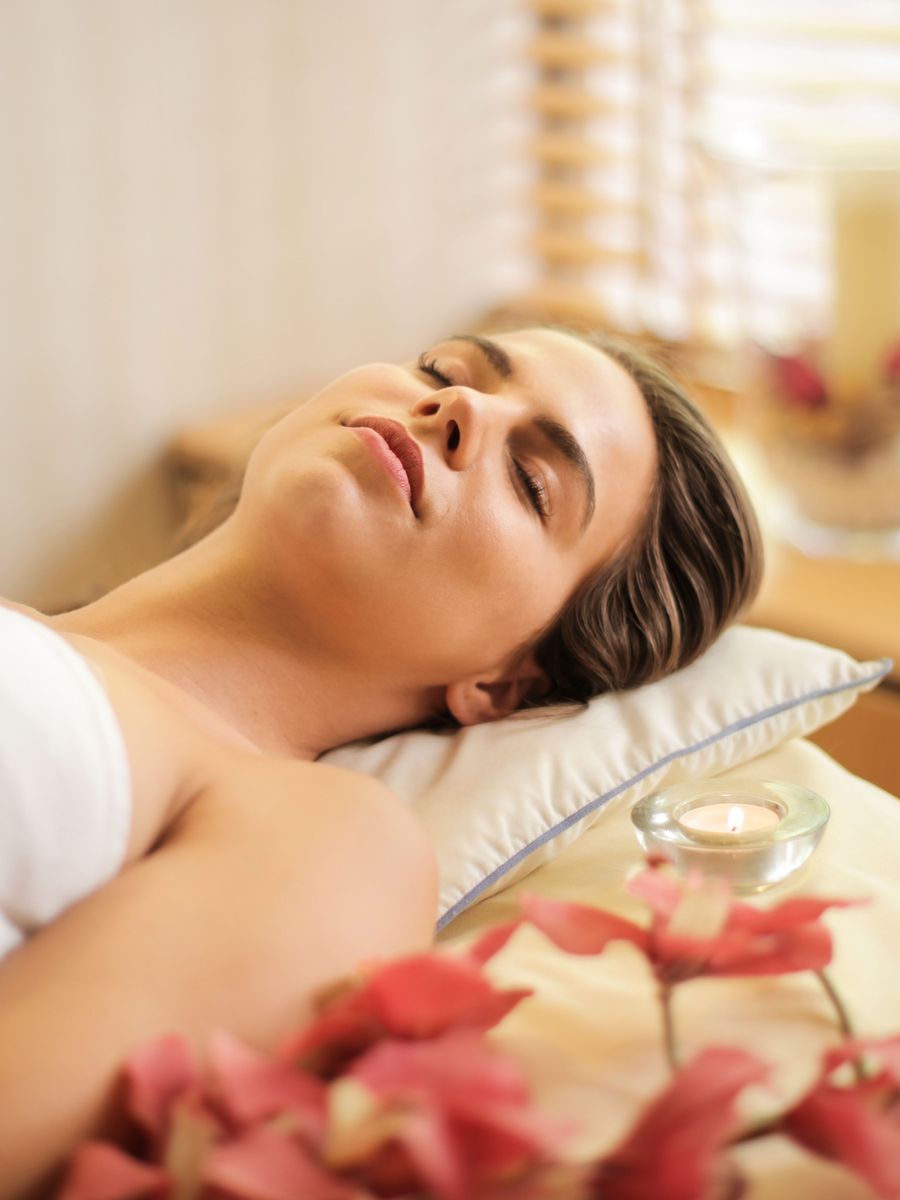
You lie fully clothed on a comfortable padded table in a softly lit, private healing room. Gentle ambient music plays in the background. The practitioner moves through a systematic sequence of hand positions — crown, third eye, throat, heart, solar plexus, sacral, and root — channelling universal life-force energy into your system. Hands are placed lightly on the body or held just above it, based on your comfort level.
Common sensations include warmth or heat from the practitioner's hands, tingling or pulsing in various body parts, a pleasant heaviness as deep relaxation takes hold, or a sense of floating. Some clients see colours (violet, gold, green, indigo), experience memories surfacing, receive intuitive insights, or feel a profound peace they have not experienced in years. Emotional release — tears flowing without a specific trigger — is natural and welcome. Some clients drift into a light sleep, and the energy continues working regardless.
Step 4: Sealing and Integration (10 minutes)
The session closes with aura sealing and grounding — ensuring the healing integrates properly and your energy field is protected. The practitioner gently brings you back, offers water, and allows you a few minutes to reorient before a post-session conversation where you can share your experience and ask questions.
In the 24-72 hours following a session, you may experience what is called a healing response: mild tiredness, heightened emotions, vivid dreams, or temporary intensification of symptoms before they improve. These are positive signs of deep healing. Drink plenty of water, rest, and allow yourself space to integrate. For a detailed walkthrough of first-time experiences, read our guide: What to Expect in Your First Reiki Session →
Reiki vs Other Healing Modalities
Energy healing encompasses many systems, each with distinct philosophies, techniques, and strengths. Understanding the differences helps you choose the modality — or combination of modalities — best suited to your needs. For a deeper comparison, read our article: Pranic Healing vs Reiki: Which Is Right for You? →
| Aspect | Reiki | Pranic Healing | Crystal Healing | Sound Healing |
|---|---|---|---|---|
| Origin | Japan (Mikao Usui, 1922) | Philippines (Master Choa Kok Sui, 1987) | Ancient civilisations (Egypt, India, Greece) | Ancient traditions (Tibetan bowls, Vedic mantras) |
| Touch | Light touch or hovering above body | No touch — works in the aura only | Crystals placed on or near the body | No touch — uses vibrational frequencies |
| Energy Source | Universal life-force (Ki) channelled through practitioner | Prana from sun, air, and earth directed by practitioner | Vibrational frequencies of specific mineral crystals | Sound waves from bowls, tuning forks, gongs, voice |
| Technique | Fixed hand positions + sacred symbols + attunements | Scanning, sweeping, energising — protocol-driven | Crystal grids, placement on chakras, crystal elixirs | Sound baths, toning, binaural beats, mantra |
| Distance Healing | Yes (from Level 2 using Hon Sha Ze Sho Nen) | Yes (using specific protocols) | Limited | Limited (primarily in-person) |
| Learning Curve | Gentle — practise immediately after Level 1 attunement | Structured — requires ongoing practice of protocols | Moderate — requires knowledge of crystal properties | Variable — instrument mastery takes time |
| Best For | Holistic healing, self-care, emotional release, spiritual growth | Targeted conditions, physical ailments, structured healing | Chakra work, meditation enhancement, space clearing | Deep relaxation, nervous system reset, group healing |
Many practitioners, including those trained at Auviephy Institute, integrate multiple modalities. Reiki forms an excellent foundation because of its versatility, gentleness, and the speed at which students can begin practising after attunement.
Who Should Try Reiki?
Reiki is suitable for virtually everyone, regardless of age, health condition, religious belief, or level of scepticism. The energy works independently of conscious belief — you do not need to "believe in" Reiki for it to produce results. That said, certain groups tend to benefit most:
- People dealing with chronic stress or burnout — professionals, entrepreneurs, caregivers, and parents carrying sustained pressure
- Those processing grief, loss, or emotional trauma — Reiki provides a safe space for emotions to surface and release without re-traumatisation
- Chronic pain sufferers — back pain, migraines, fibromyalgia, arthritis, and nerve pain respond well to consistent Reiki treatment
- People in recovery — post-surgery patients, cancer patients (alongside medical treatment), and those recovering from illness
- Pregnant women — Reiki is completely safe during pregnancy and can ease anxiety, morning sickness, and labour preparation
- Children and teenagers — particularly effective for exam anxiety, ADHD-related restlessness, emotional regulation, and sleep issues
- Spiritual seekers — those wishing to deepen meditation, enhance intuition, or reconnect with their inner guidance system
- Therapists, doctors, and healthcare workers — Reiki complements clinical practice and helps prevent compassion fatigue
- People who feel "stuck" — recurring patterns in relationships, career, health, or finances often have energetic roots that Reiki can address
- Sceptics and first-timers — if you are curious but uncertain, a single session is the most honest way to evaluate Reiki; your body will give you the answer your mind cannot
Reiki is also widely used for animals, particularly pets experiencing anxiety, illness, or trauma. Several veterinary clinics in Mumbai now recommend Reiki as a complementary support for animal health.
Reiki Courses at Auviephy Institute
Auviephy Institute in Ghatkopar West, Mumbai is one of India's most respected training centres for Reiki and holistic healing. Founded by Auviephy Institute — a certified Reiki Master Teacher with over 10 years of experience — the institute has trained and certified 1200+ students across all four Reiki levels.
We offer the complete Usui Reiki certification pathway:
- Reiki Level 1 (Shoden) — Foundation course covering self-healing, hand positions, chakra basics, and your first attunement. Ideal for complete beginners.
- Reiki Level 2 (Okuden) — Symbol work, distance healing, emotional/mental healing techniques. Qualifies you to practise on others professionally.
- Reiki Level 3 (Shinpiden) — Master symbol, advanced healing techniques, karmic and past-life work. Deepens your practice significantly.
- Reiki Master Teacher (Level 4) — Learn to attune and teach others. Carry forward the Reiki lineage with integrity and mastery.
All courses include comprehensive manuals, guided practice sessions, hands-on healing experience, internationally recognised certification, and post-course mentorship. Classes are held both in-person at our Ghatkopar centre and online for students across India. Contact us for upcoming batch dates and enrollment →
Reiki Healing Services in Mumbai
Beyond training, Auviephy Institute offers professional Reiki healing sessions for individuals seeking personal healing, stress relief, or support through difficult life transitions. Our healing services are available both in-person at our Ghatkopar West clinic and as distance (remote) sessions for clients anywhere in India.
Every session is conducted by a senior practitioner or a graduate trained directly under our faculty. We specialise in Reiki for chronic pain, anxiety and stress disorders, emotional trauma and grief, sleep disturbances, relationship blocks, fertility support, and spiritual healing.
Whether you are in Ghatkopar, Bandra, Juhu, Powai, Thane, Navi Mumbai, or anywhere else — healing is accessible. Distance Reiki is equally effective as in-person sessions; energy is not limited by physical proximity.
View our Reiki Healing Services in Ghatkopar Mumbai →
For those exploring Reiki alongside other healing modalities, Auviephy also offers Reiki healing across Mumbai and integrative sessions combining Reiki with chakra healing, crystal therapy, and NLP for comprehensive transformation.
Frequently Asked Questions About Reiki
What is Reiki healing?
Reiki is a Japanese energy healing technique where a trained practitioner channels universal life-force energy (Ki) through their hands into the recipient's energy field to dissolve blockages and restore balance across physical, emotional, mental, and spiritual levels. It was developed by Mikao Usui in 1922 and is now practised worldwide as a complementary therapy.
How does Reiki healing work?
The practitioner places their hands lightly on or above specific positions on the body corresponding to the major chakras and energy centres. Universal life-force energy flows through the practitioner's hands into the recipient, dissolving energetic blockages, activating the parasympathetic nervous system, and restoring the natural flow of Ki. The energy is intelligent — it directs itself to wherever healing is most needed.
Is Reiki safe? Are there any side effects?
Reiki is completely safe, non-invasive, and has no harmful side effects. It is suitable for people of all ages, including pregnant women, children, and the elderly. Some people experience a temporary healing response (mild tiredness, emotional sensitivity, vivid dreams) in the 24-48 hours after a session. This is a positive sign of deep healing. Reiki complements medical treatment and never replaces it.
Can Reiki be done remotely or online?
Yes. Distance Reiki is equally effective as in-person sessions. Energy is not limited by physical distance. Reiki Level 2 practitioners learn the Hon Sha Ze Sho Nen symbol specifically for sending healing across time and space. Auviephy Institute offers distance Reiki sessions via video call for clients across India and internationally.
How is Reiki different from Pranic healing?
While both are energy healing modalities, they differ in technique. Reiki channels universal energy through light touch or hovering above the body, using attunements and sacred symbols. Pranic healing works exclusively in the aura without touching the body, using scanning and sweeping techniques to remove diseased energy before projecting fresh prana. Both are effective; they simply approach energy healing from different traditions.
How many Reiki sessions do I need?
Many people experience meaningful shifts from a single session. For chronic conditions, 3 to 6 sessions over 4 to 6 weeks are recommended. Monthly or quarterly maintenance sessions help sustain the benefits long-term. Your practitioner will advise a personalised plan after your first session.
Who can learn Reiki? Do I need any special ability?
Anyone can learn Reiki regardless of age, background, or belief system. Reiki is not a talent or gift — it is a skill transferred through attunement by a certified Reiki Master. The ability to channel Reiki is activated during the attunement process and remains with you for life. No prior experience in healing or meditation is required.
What are the five Reiki principles?
The five Reiki principles (Gokai), recited daily by practitioners, are: Just for today, I will not be angry. Just for today, I will not worry. Just for today, I will be grateful. Just for today, I will do my work honestly. Just for today, I will be kind to every living thing. These principles form the ethical and spiritual foundation of Reiki practice.
Does Reiki conflict with my religion?
No. Reiki is not a religion and does not require any specific belief system. It is a healing technique that works with universal energy. People of all faiths — Hindu, Muslim, Christian, Buddhist, Jain, Sikh, and atheist — practise and receive Reiki without conflict. The energy is non-denominational and does not involve worship, prayer, or dogma.
Where can I learn Reiki in Mumbai?
Auviephy Institute in Ghatkopar West, Mumbai offers certified Reiki courses from Level 1 through Reiki Master Teacher (Level 4). Our practitioner, a Reiki Master Teacher with 10+ years of experience and over 1200 students certified, provides internationally recognised certification with comprehensive hands-on training. Contact us for upcoming batch dates →
About Auviephy Institute
Auviephy Team
Practitioners & Faculty · Auviephy Institute, Mumbai
Auviephy Institute is Mumbai's institute for occult sciences and energy-healing education, based in Ghatkopar West. Our faculty hold certifications across Reiki, NLP, Angel Healing, Akashic Records, Tarot and Numerology, with 1,200+ students certified across India and thousands of sessions delivered. Every guide on this site is written and reviewed by our practitioners. Learn more about Auviephy Institute →